


Getting a dental implant is a fantastic step toward restoring your healthy, confident smile. Now that your surgery is complete, the crucial healing phase begins. Your home care routine directly impacts how well your new implant integrates with your jaw.
We want your recovery to be as comfortable and successful as possible. Proper aftercare prevents complications, reduces discomfort, and sets the stage for a perfect final result.
This comprehensive guide covers everything you need to know about post-operative care at home. Read on to learn exactly how to manage your recovery, what soft foods to enjoy, and when to expect your permanent crown.
The First 24 Hours: Immediate Care
Your primary goal for the remainder of your surgery day is to protect the surgical site. A delicate blood clot needs to form around the implant. This clot protects the bone and nerves while promoting quick healing.
To keep this vital clot in place, you must follow these strict rules today:
- Do not spit. If you need to clear your mouth, simply use a tissue to wipe your lips or swallow your saliva.
- Skip the drinking straw. Drink your beverages straight from a cup. The suction from a straw can easily pull the blood clot out of place.
- Do not smoke. Smoking severely increases your risk of infection and slows down the healing process.
- Keep your hands away. Do not touch the surgical area with your fingers or your tongue. Poking the site causes unwanted bleeding.
Managing Bleeding and Swelling
You can expect some minor bleeding after your dental implant surgery. A little oozing is completely normal and may persist for several hours. This bleeding usually slows down and stops within an hour or two.
Keep the sterile gauze on the surgical area and apply firm, steady biting pressure for 30 to 45 minutes. If heavy bleeding continues after applying pressure, please call our office right away.
Swelling is another normal part of the healing process. Your mouth and cheeks may swell, and you might even notice some mild bruising on your face. This swelling differs for every patient. It typically increases over the first 24 to 48 hours before it slowly begins to fade.
Diet and Oral Hygiene Rules
Eating might feel a little strange while your mouth heals, but you still need nutrients to keep your energy up. Wait until your local anesthetic wears off completely before you eat to avoid biting your tongue or cheek.
Start with non-abrasive, soft foods. Great options include mashed potatoes, soft pasta, cottage cheese, lukewarm soup, and scrambled eggs. You can return to your regular diet as soon as you feel ready. However, you must avoid chewing directly on the new implant sites.
Keeping your mouth clean is vital for preventing infection. Tomorrow, you can start rinsing your mouth very gently with warm salt water. Mix one teaspoon of salt into eight ounces of warm water. You may brush your remaining teeth exactly as you usually do, but be extremely careful when brushing near the surgical sites.
What to Expect: Sutures and Bone Grafts
Unless your surgeon tells you otherwise, the sutures used during your procedure are completely dissolvable. They will fall out on their own as your gums heal. This usually happens within the first week, but the timing can vary anywhere from four to ten days.
If your surgeon placed bone graft material during your implant procedure, you might notice a gritty sensation in your mouth. Do not panic. Small particles of the graft material sometimes dislodge. This is nothing to worry about and will subside within a day or two.
Understanding Implant Visibility and Crown Placement
Many patients wonder if they will be able to see their new implant. This depends on your specific treatment plan.
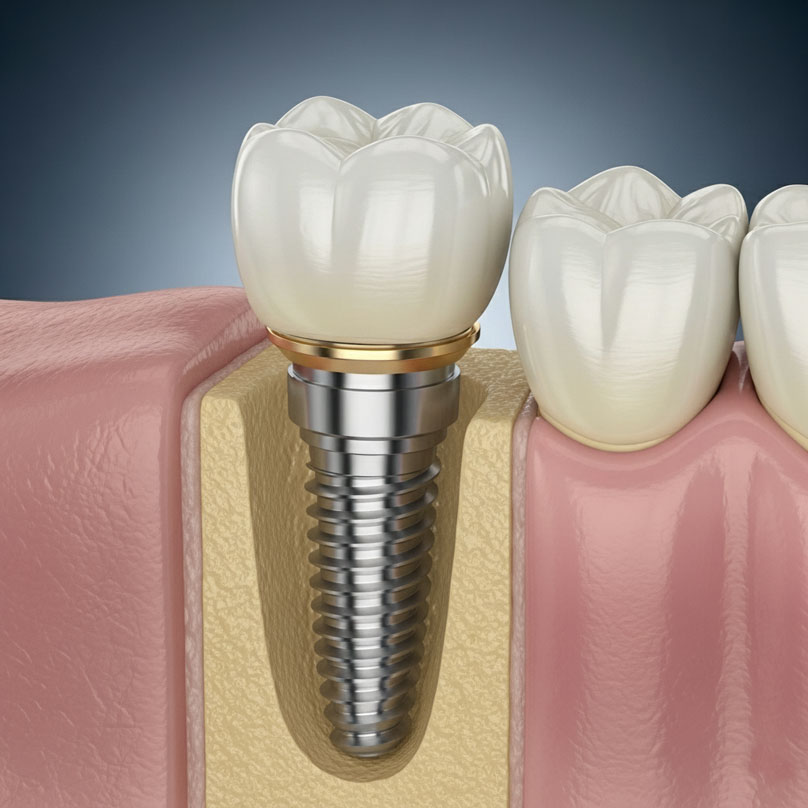
Sometimes, the surgeon buries the implant completely under the gum tissue to protect it. Later, you will have a minor procedure to uncover it. If your implant is highly stable, the surgeon might bypass this step and place a small attachment that peeks through your gums.
Your permanent dental crown gets attached only after the implant completely fuses to your jawbone. This vital process is called osseointegration. The healing timeline varies based on your bone quality and the initial stability of the implant. Your surgeon will discuss your specific timeline with you.
Medications and Activity Guidelines
Take all of your prescribed medications exactly as directed on the bottle. If we gave you antibiotics, you must take them until the bottle is completely empty. Never stop taking antibiotics halfway through your treatment.
For pain management, take your prescribed medication on a set schedule for the first 24 hours. Remember that narcotic pain medicines make you drowsy. Do not drive, swim, operate machinery, or drink alcohol while taking these prescriptions.
As your pain improves, you can switch to over-the-counter options. You may use 500 mg of acetaminophen or 600 mg of ibuprofen every six hours as directed by your doctor.
Take it easy for the first few days. Avoid heavy exercise while you are taking prescription pain medication. Increase your activity level slowly as you ease back into your normal daily routine.
We Are Here for You
Following these instructions closely ensures you heal quickly and comfortably. If you have any questions about your procedure, your treatment plan, or your symptoms, the team at Sol Dental is always here to help.
Please contact our office during normal business hours to speak with your surgeon. If you need assistance after hours, leave us a message, and we will get back to you right away.